Category: Toilet Paper Guides

  • Toilet Paper: What It’s Made Of, Size, Biodegradability & More

    Toilet Paper: What It’s Made Of, Size, Biodegradability & More

    Have you ever used toilet paper and suddenly asked yourself, what is toilet paper made of?
    You use it every day, so it makes sense to feel curious about it. I had the same question. So, instead of guessing, I decided to research it properly and understand it in simple words.

    In this article, you will learn what is toilet paper made of, how is toilet paper made, how big is toilet paper roll, how tall is toilet paper, how long is toilet paper roll tube in inches, where do you mount toilet paper holder, does toilet paper dissolve, and is toilet paper biodegradable.
    I’ll explain everything step by step, so you don’t feel confused at any point.

    What Is Toilet Paper Made Of

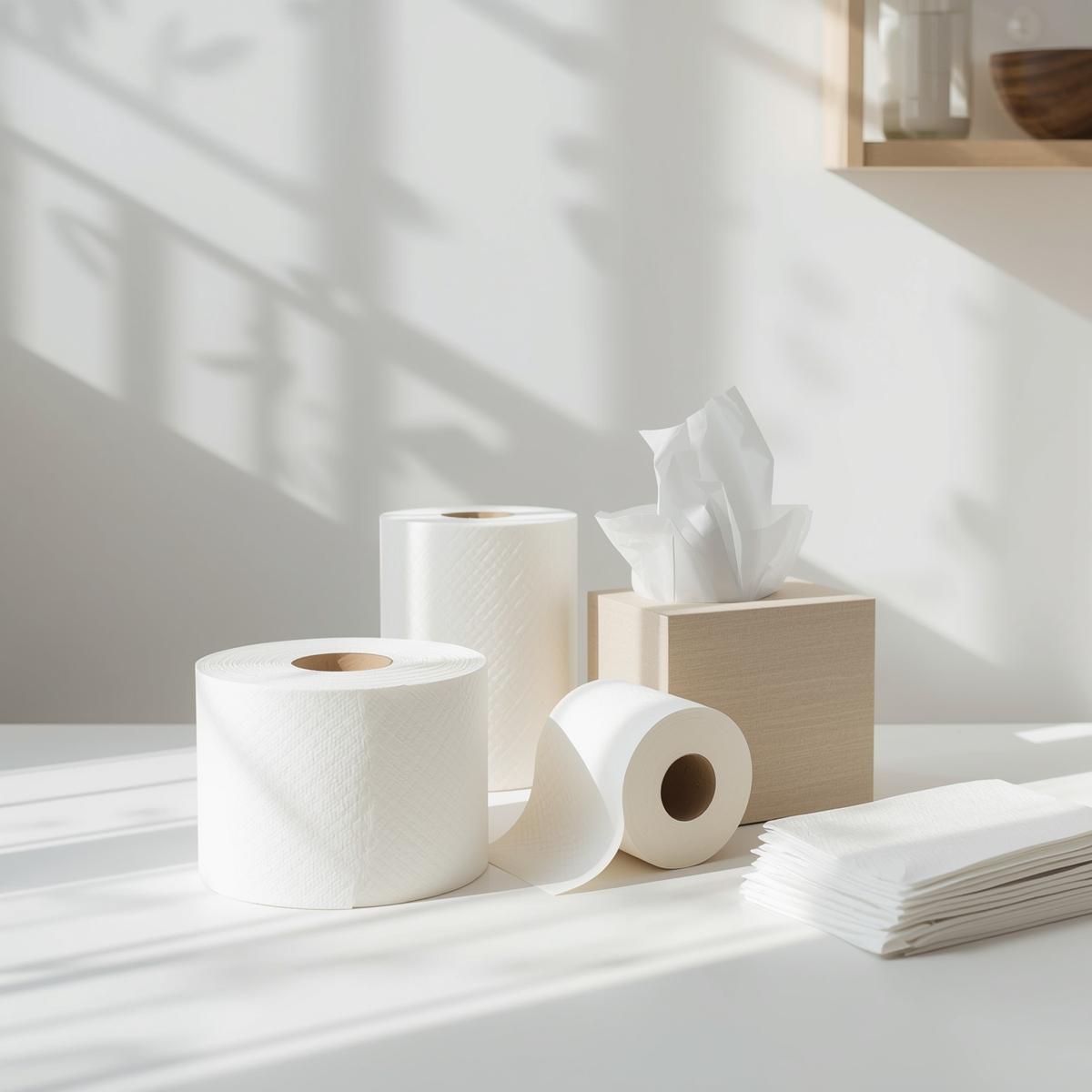
    Toilet paper comes from paper pulp. Companies make this pulp using trees or recycled paper.
    So, in simple words, factories turn wood and old paper into soft toilet paper.

    Most brands use wood pulp because it feels soft and clean. However, some eco-friendly brands also use recycled paper or bamboo pulp. Bamboo grows fast, so it causes less harm to nature.

    In addition, companies mix pulp with water and use small amounts of safe chemicals. These chemicals help clean the paper and make it smooth. They do not harm your skin when companies follow proper rules.

    So, when someone asks you what is toilet paper made of, you can confidently say:
    Companies make toilet paper from wood pulp, recycled paper, and water.

    How Is Toilet Paper Made

    Now let’s talk about how is toilet paper made, step by step.

    First, factories collect wood or recycled paper. Then, they mix it with water to make soft pulp. Because the pulp looks dirty at this stage, companies clean it carefully.

    Next, if the brand wants white toilet paper, they whiten the pulp using safe methods. After that, machines spread the pulp into thin layers. These layers slowly turn into paper sheets.

    After drying, machines roll the paper into big rolls. Finally, workers cut these big rolls into small toilet paper rolls and pack them for shops.

    So, this is how factories make toilet paper in a controlled and clean way.

    How Big Is Toilet Paper Roll

    A realistic bathroom scene showing a standard toilet paper roll on a wall-mounted holder,


    Many people ask how big is toilet paper roll, especially when buying a holder.

    Usually, a standard toilet paper roll:

    • Is about 4 to 5 inches wide

    • Has a diameter of 4 to 5 inches

    Because of this standard size, most toilet paper holders fit easily. However, some brands sell larger rolls. They last longer, but sometimes they don’t fit small holders.

    So, before buying, you should always check the roll size.

    How Tall Is Toilet Paper

    Now, let’s clear another confusion: how tall is toilet paper.

    The height of toilet paper means the width of the roll when you stand it straight.
    Most toilet paper rolls are 4 to 4.5 inches tall.

    Because almost all brands follow this size, you usually don’t face problems while placing the roll in a holder.

    How Long Is Toilet Paper Roll Tube in Inches

    Inside the roll, you see a cardboard tube. So, how long is toilet paper roll tube in inches?

    In most cases, the tube length is:

    • 4 to 4.5 inches

    This tube supports the roll and helps it spin easily. Recently, some brands started selling tube-less toilet paper. However, you won’t see it often in Pakistan yet.

    Where Do You Mount Toilet Paper Holder

    Now let’s talk about where do you mount toilet paper holder, because comfort matters.

    Ideally, you should mount the holder:

    • 8 to 12 inches in front of the toilet

    • 26 to 30 inches above the floor

    This position helps you reach the paper easily. So, you don’t need to bend or twist your body.

    Before fixing it, sit on the toilet and check where your hand naturally goes. That place is perfect.

    Does Toilet Paper Dissolve

    A very common question is does toilet paper dissolve.

    Yes, toilet paper dissolves in water. That’s why it is safe to flush.

    Manufacturers design toilet paper with weak fibers. These fibers break quickly in water. Because of this, toilet paper does not block pipes like kitchen tissue or wet wipes.

    Still, you should avoid using too much paper at once.

    Is Toilet Paper Biodegradable

    Finally, let’s answer is toilet paper biodegradable.

    Yes, toilet paper is biodegradable. It breaks down naturally in soil and water.

    Paper comes from plants, so nature can decompose it easily. Also, recycled and bamboo toilet paper breaks down even faster.

    So, if you care about the environment, you should choose eco-friendly toilet paper whenever possible.

    Final Tip for You (Very Important)

    If you want Yoast / Rank Math green signals, always remember:

    • Use short sentences

    • Prefer “Companies make” instead of “is made”

    • Add small transition words like:

      • So, also, because, first, next, finally

    FAQs

    What is toilet paper made of mostly?

    Toilet paper is mostly made of wood pulp or recycled paper mixed with water and safe materials.

    How is toilet paper made safe for skin?

    It is cleaned properly during production and made soft so it does not hurt your skin.

    How big is toilet paper roll in Pakistan?

    Most toilet paper rolls are about 4 to 5 inches in diameter and 4 to 4.5 inches tall.

    Does toilet paper dissolve in water completely?

    Yes, toilet paper dissolves easily in water and is safe to flush.

    Is toilet paper biodegradable and eco-friendly?

    Yes, most toilet paper is biodegradable, especially recycled and bamboo-based ones.

  • Toilet Paper Guide: Types, Materials, and How to Choose the Right One

    Toilet Paper Guide: Types, Materials, and How to Choose the Right One

    Toilet paper is used every day in homes, offices, and public spaces. Also known as toilet tissue, bathroom tissue, or toilet roll, its quality directly affects comfort, hygiene, and plumbing performance. Choosing the wrong toilet paper can cause skin irritation, waste, or even plumbing issues.

    Tissue Trends provides clear, research-based information on toilet paper materials, textures, ply types, and usage so people can make better everyday choices. This guide explains common problems, available options, and how to select toilet tissue that fits your needs and budget.

    Common Problems People Face With Toilet Paper

    Rough Texture and Skin Discomfort

    Low-quality toilet paper often feels rough and can irritate the skin. This is especially uncomfortable for people with sensitive skin. Toilet tissue that lacks softness increases friction and reduces daily comfort.

    Using smooth or ultra-soft toilet tissue helps reduce irritation. Proper layering and choosing softer fibres can significantly improve hygiene and comfort.

    Low Strength and Easy Tearing

    Weak toilet tissue tears easily, forcing people to use more sheets. This leads to higher consumption and frustration. Strong toilet paper made with better fibre bonding holds together during use and improves reliability.

    Durable toilet tissue helps reduce waste while supporting cleaner use.

    Excess Lint and Residue

    Some toilet paper leaves lint behind, affecting cleanliness. Lint-free toilet tissue is designed with tighter fibre bonding to reduce residue and improve hygiene.

    High-quality toilet tissue focuses on performance, not just thickness.

    Chemical Sensitivity and Allergic Reactions

    Certain toilet tissues contain dyes, fragrances, or additives that may cause skin reactions. Hypoallergenic, fragrance-free, and chemical-free toilet paper reduces irritation and is safer for sensitive users.

    Certifications such as FSC-certified toilet tissue also indicate responsible sourcing and cleaner production.

    Toilet Paper Types Available in the Market

    1-Ply, 2-Ply, and 3-Ply Toilet Tissue

    Ply count refers to the number of layers in a toilet tissue sheet.

    • 1-ply toilet tissue is thin and commonly used in public washrooms because it dissolves quickly and costs less.

    • 2-ply toilet tissue offers a balance of comfort and strength, making it ideal for home use.

    • 3-ply toilet paper is thicker and softer, preferred by users who want extra comfort.

    Multi-ply toilet tissue often lasts longer per roll, reducing replacement frequency.

    Soft vs Strong Toilet Paper

    Soft toilet tissue feels gentle on the skin, while strong toilet paper resists tearing. Modern toilet tissue often combines both features, offering comfort without losing durability.

    A balanced toilet tissue improves hygiene while reducing waste.

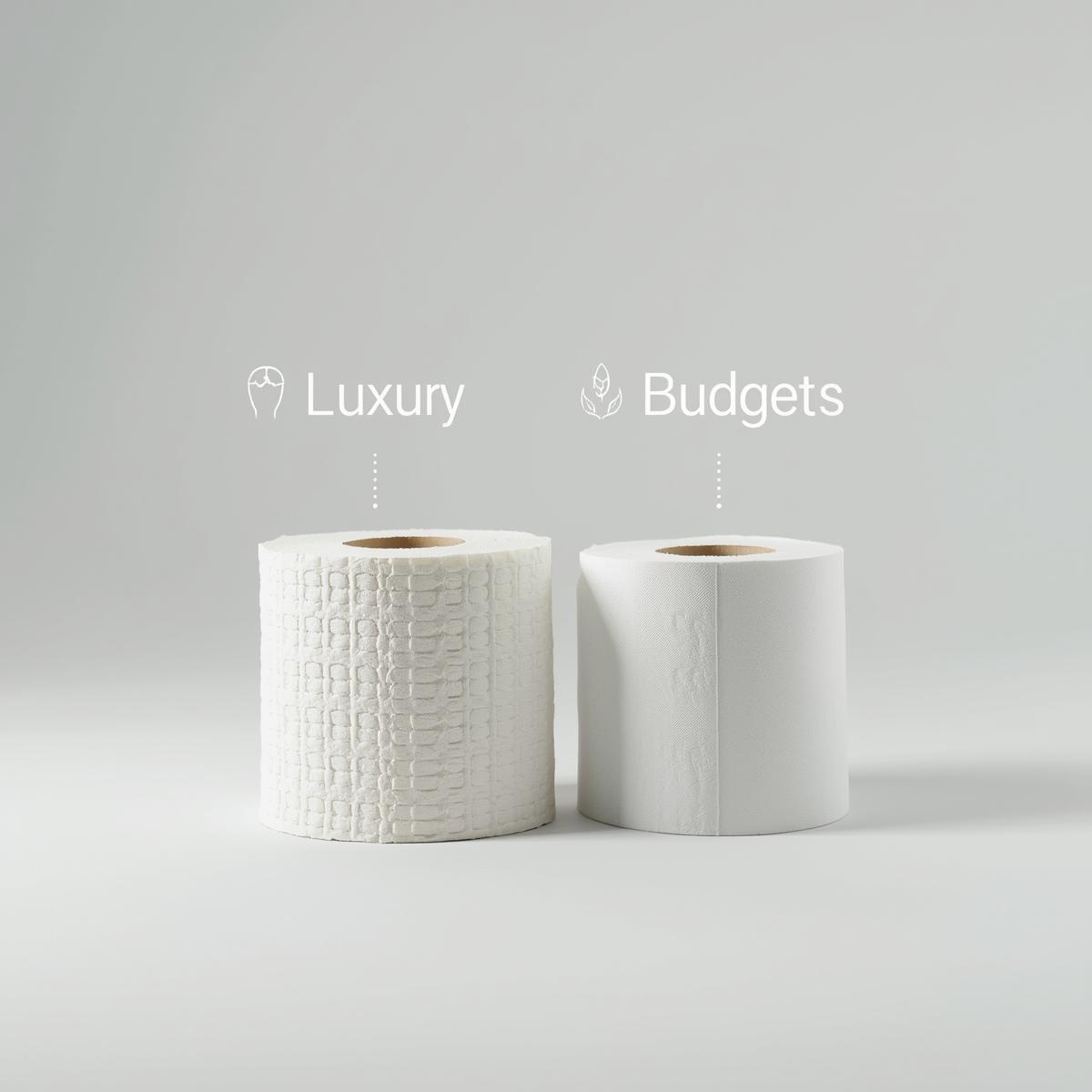
    Thick, Quilted, Smooth, and Embossed Options

    • Thick and quilted toilet tissue provides cushioning and better absorption.

    • Smooth toilet tissue offers a flat, gentle surface.

    • Embossed toilet tissue includes pressed patterns that improve grip and strength.

    Each option suits different comfort and performance preferences.

    Luxury and Premium Toilet Tissue

    Premium toilet tissue focuses on softness, absorbency, and appearance. These products often use high-quality pulp and advanced processing, making them popular in hotels and comfort-focused homes.

    Material-Based Toilet Tissue Options

    Recycled Toilet Tissue

    Recycled toilet tissue is made from processed paper waste. Modern manufacturing methods improve softness and strength, making it a practical and responsible choice.

    Bamboo Toilet Paper

    Bamboo toilet tissue comes from fast-growing bamboo plants and requires fewer resources. its fibres create strong yet soft sheets, making them a popular sustainable option.

    Biodegradable and Plastic-Free Toilet Tissue

    Biodegradable toilet paper breaks down quickly after flushing. Plastic-free toilet tissue avoids synthetic coatings and packaging, reducing environmental impact.

    Chlorine-Free and FSC-Certified Toilet Paper

    Chlorine-free toilet tissue avoids harsh bleaching chemicals. FSC-certified toilet tissue supports responsible forest management and cleaner production practices.

    Toilet Paper for Specific Needs

    Toilet Tissue for Sensitive Skin and Babies

    Soft, gentle toilet tissue without rough textures is ideal for sensitive skin and babies. These options support hygiene without irritation.

    Hypoallergenic and Fragrance-Free Toilet Paper

    Hypoallergenic and fragrance-free toilet tissue reduces the risk of allergic reactions. Chemical-free options are best for people with skin sensitivities.

    Septic-Safe and Dissolvable Toilet Paper

    Septic-safe and dissolvable toilet tissue breaks down quickly in water. These options help prevent clogs and protect septic systems and older plumbing.

    Commercial and Public Washroom Toilet Tissue

    Commercial toilet tissue is designed for high usage. Bulk and jumbo toilet paper rolls reduce refill frequency and support offices, schools, and public facilities.

    How Tissue Trends Helps Readers

    Tissue Trends focuses on educating users about toilet tissue quality, materials, and performance. It explains how softness, strength, absorbency, and sourcing affect everyday hygiene.

    By covering recycled, bamboo, biodegradable, and FSC-certified options, Tissue Trends helps readers make informed choices that suit both comfort and environmental goals.

    Benefits of Choosing the Right Toilet Paper

    • Better daily hygiene and comfort

    • Reduced skin irritation

    • Fewer plumbing and maintenance issues

    • Lower long-term costs due to durable rolls

    • Reduced environmental waste

    Toilet Paper Buying Tips

    Check ply count, texture, and roll length on labels. Choose 2-ply or multi-ply for balanced performance. Decide between affordable and premium options based on comfort needs. Buying toilet paper in bulk can reduce cost and packaging waste when stored properly.

    FAQs

    What is the best toilet paper for everyday use?

    Most households prefer 2-ply or multi-ply toilet tissue because it balances softness, strength, and absorption.

    What is the purpose of Tissue Trends?

    Tissue Trends is an informational platform that provides research-based insights on toilet tissue, materials, and hygiene to help people make informed choices.

    Does Tissue Trends sell toilet paper?

    No. Tissue Trends focuses on education and guidance rather than selling products.

    Is recycled toilet paper safe to use?

    Yes. Recycled toilet tissue is processed and cleaned to meet hygiene standards and is safe for regular use.

    Which toilet paper is safe for septic systems?

    Septic-safe and dissolvable toilet tissue breaks down quickly and helps prevent clogs.